


A Long-Standing Safety Crisis
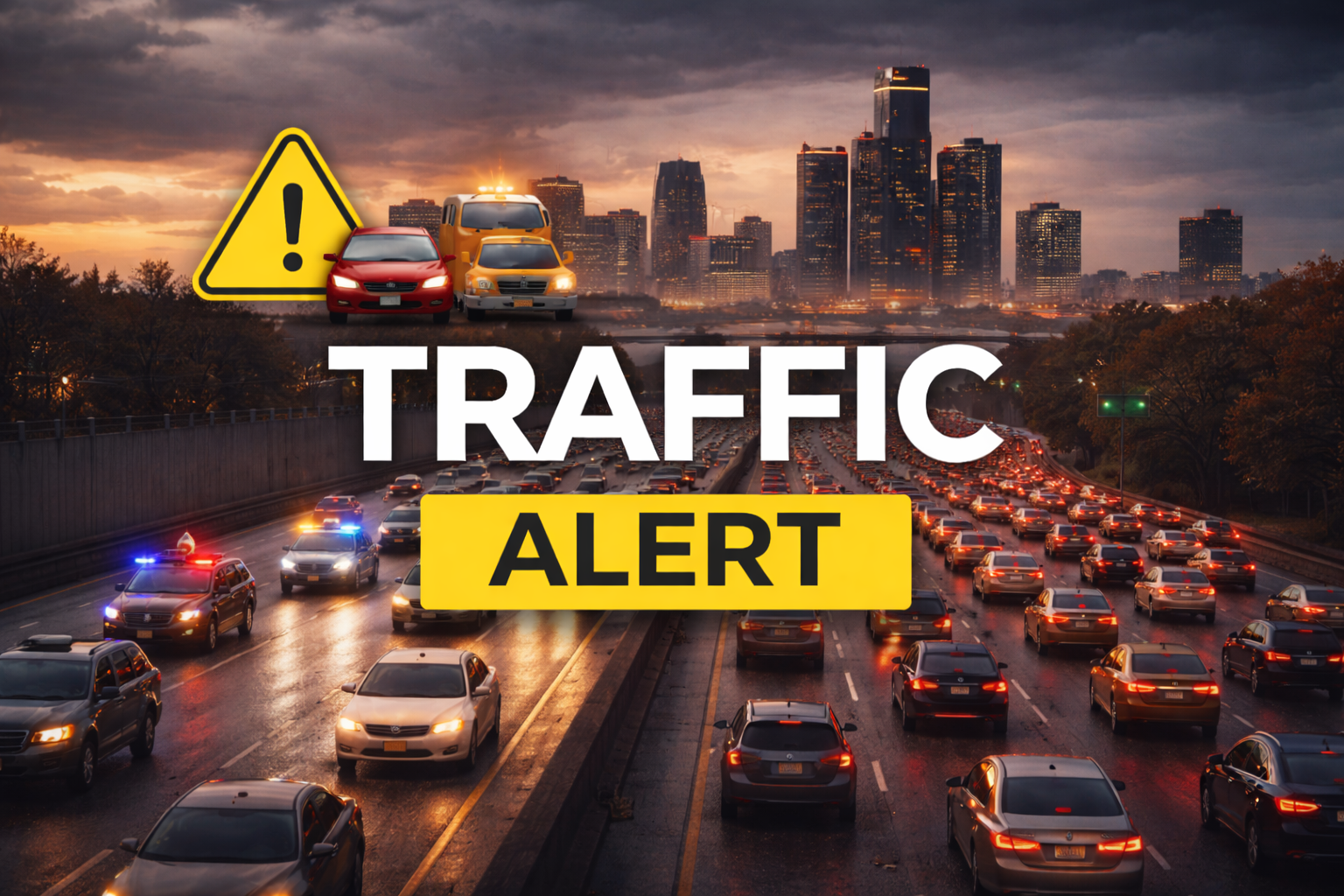
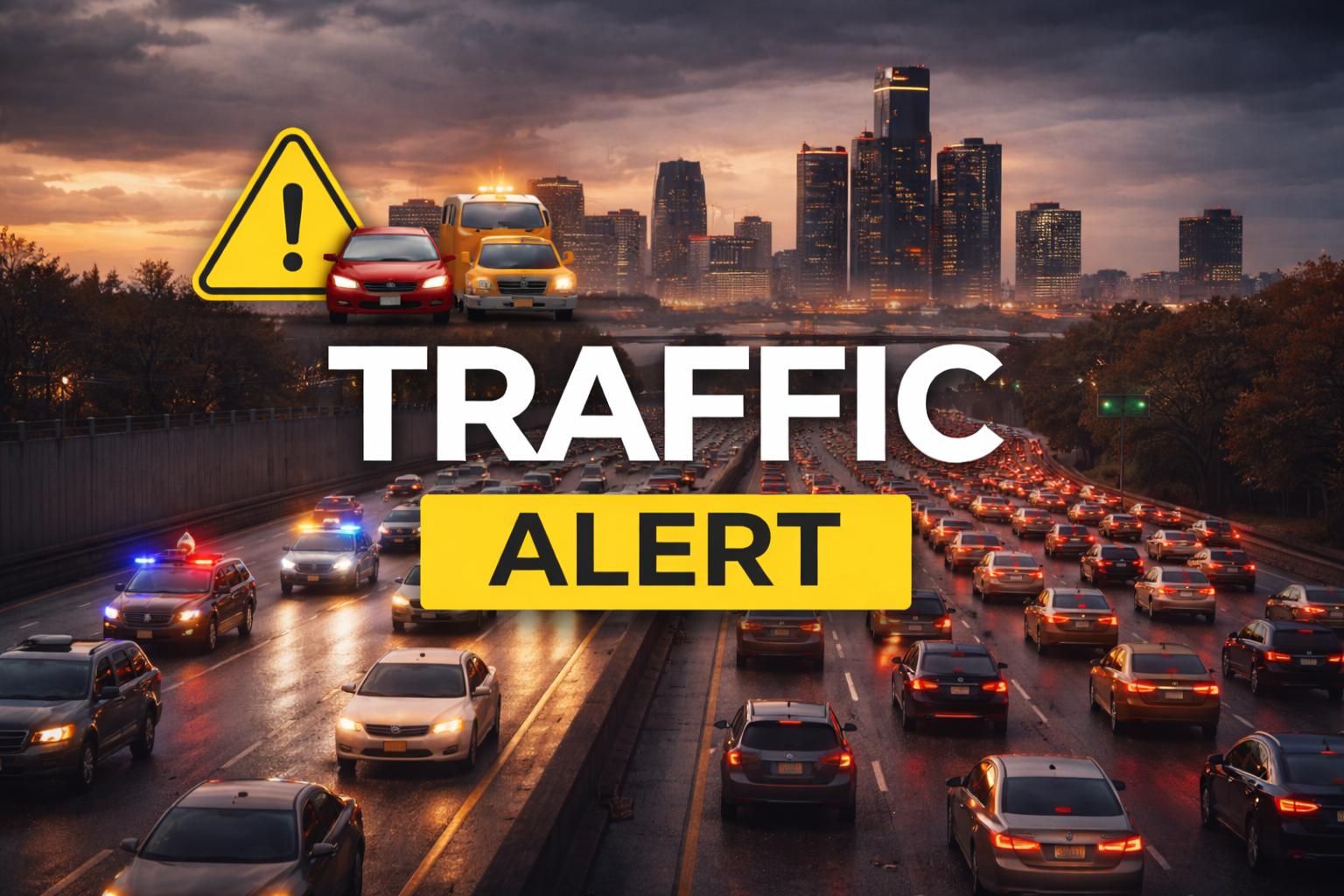
According to various studies and local data, Detroit has struggled with elevated traffic deaths compared to other large American cities.
Excessive speeding on neighborhood streets has been a persistent issue, leading to serious crashes involving pedestrians, cyclists, and other vehicles.
City officials say the new measures are a direct response to repeated complaints from residents and an effort to address a problem that has claimed too many lives in recent years.
A Shift Toward Neighborhood Priorities
While past infrastructure investments often focused on highways and major corridors, this program targets the streets where everyday life happens.
The goal is to create safer, more livable neighborhoods by encouraging slower, more attentive driving.
Officials say improving safety on residential streets is an important step toward making Detroit's neighborhoods stronger, healthier, and more connected.
Why Speed Matters
Traffic safety experts consistently point out that even small speed reductions can significantly lower the risk and severity of injuries.
A reduction from 35 mph to 25 mph, for example, gives drivers more time to react to unexpected situations and dramatically reduces the force of impact during a collision.
Lower speeds can mean the difference between a near miss, a minor injury, or a fatal crash.
For city officials, reducing speed is one of the simplest and most effective ways to improve public safety.
Community Impact
Many residents have welcomed the announcement.
Parents, neighborhood associations, and community groups have long pushed for stronger action against reckless driving near schools, parks, and residential blocks.
For them, these traffic-calming devices are a practical and overdue step toward making neighborhoods feel safe again.
Residents say safer streets encourage children to play outdoors, families to walk more often, and communities to spend more time together.
Potential Trade-Offs
Not all feedback is positive.
Some drivers express concern that speed humps could increase travel times, create additional noise, and pose challenges for emergency vehicles.
City officials acknowledge those concerns and say they are working to strike a balance between safety improvements and practical transportation needs.
The city plans to monitor traffic patterns and community feedback as the program expands.
Part Of A Larger Vision
The traffic safety initiative is part of Detroit's broader effort to improve quality of life across the city.
Through neighborhood revitalization projects, improved public spaces, and pedestrian-friendly infrastructure, officials hope to create communities where residents feel comfortable walking, cycling, and spending time outdoors.
Supporters argue that safer streets are not simply a transportation issue — they are a community issue.
Looking Ahead
Installation of the new traffic-calming measures will continue throughout 2026, with crews working in multiple neighborhoods across the city.
Officials plan to track traffic speeds, crash statistics, and resident feedback to measure the effectiveness of the program and identify additional areas that may require future investment.
For many Detroiters, these relatively simple interventions represent something bigger than speed humps and road improvements.
They are tangible proof that the city is increasingly prioritizing the safety, livability, and long-term success of its neighborhoods as part of Detroit's ongoing recovery and growth.










































Comments (0)
No comments yet. Share the first perspective.
Sign in with a listener account to add a comment.