


Trump Arrives With Iran Agreement In Focus
One of the biggest developments on the summit's opening day was President Trump's effort to frame the U.S.-Iran agreement as a diplomatic breakthrough.
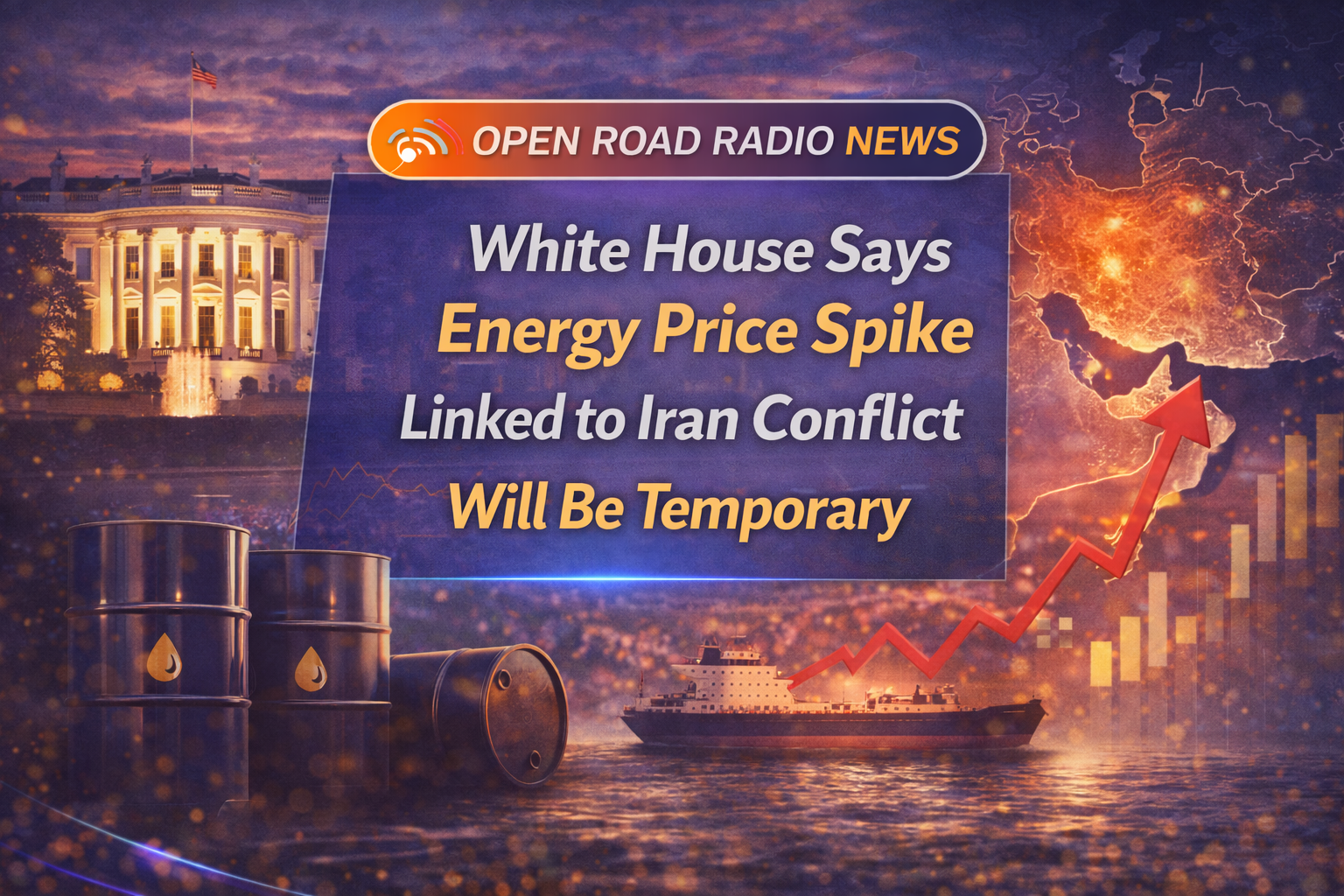
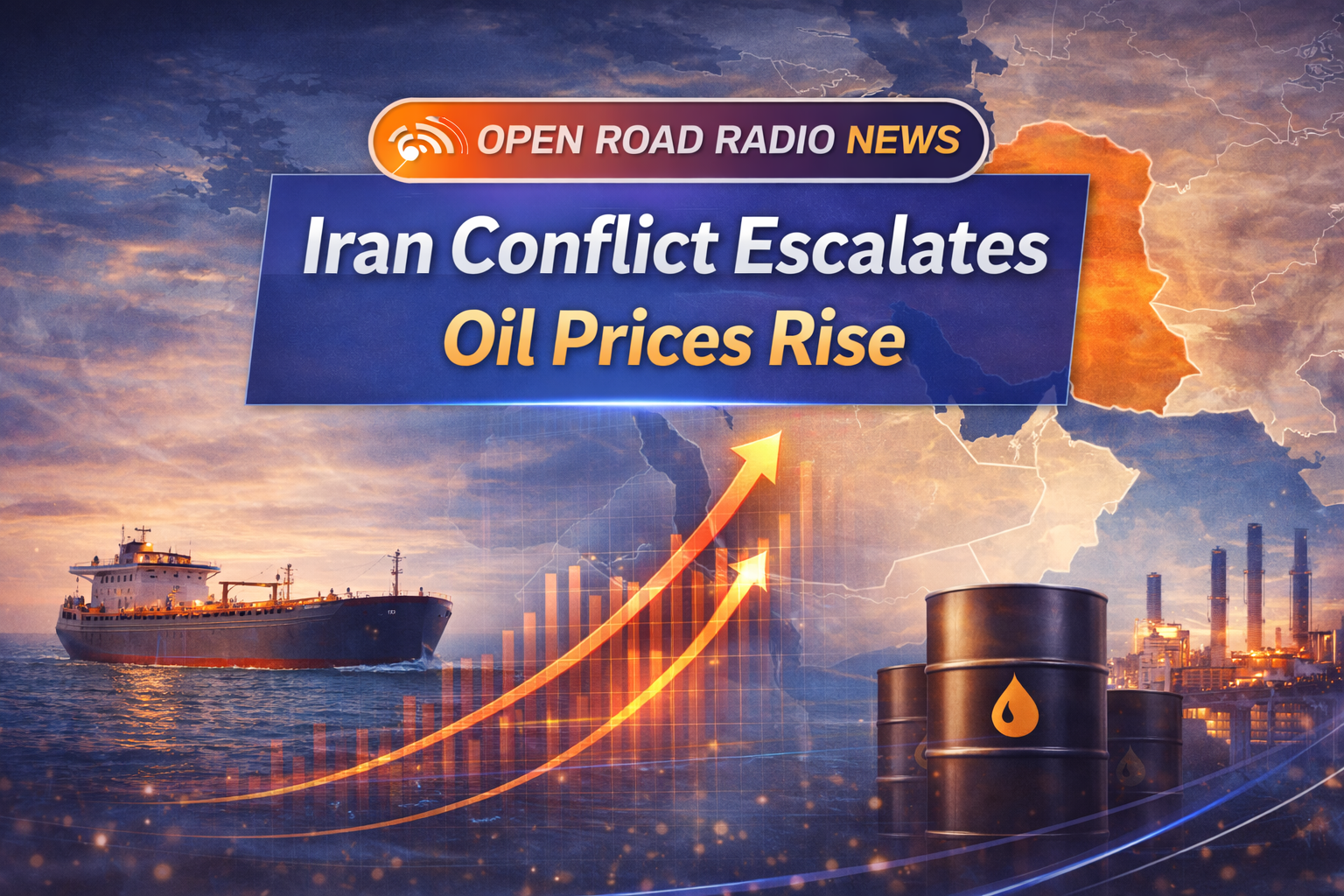
The reported agreement includes reopening the Strait of Hormuz, ending the U.S. naval blockade of Iranian ports, and continuing negotiations regarding Iran's nuclear program.
The announcement came at a critical moment.
The Strait of Hormuz is one of the most strategically important waterways in the world, serving as a major route for global oil and liquefied natural gas shipments.
Any disruption can quickly affect energy prices, transportation costs, inflation, and industrial production.
For Detroit, that matters.
Lower energy costs could benefit manufacturers, suppliers, freight operators, and consumers throughout Southeast Michigan.
While leaders welcomed the announcement, much attention remains focused on implementation and whether the agreement can produce longer-term regional stability.
Ukraine Remains High On The Agenda
Despite the attention surrounding Iran, the war in Ukraine remained one of the summit's primary topics.
Ukrainian President Volodymyr Zelenskyy is attending the summit and is scheduled to meet with G7 leaders as part of the talks. While no one-on-one meeting with President Trump was confirmed ahead of the summit, the U.S. administration has described resolving the conflict as one of the president's top priorities.
Several G7 members reaffirmed their support for Ukraine and discussed additional measures aimed at increasing pressure on Russia.
The discussions took place amid continued military activity and renewed concerns about regional security in Eastern Europe.
For many European leaders, Ukraine remains one of the most urgent international issues facing the alliance.
Beyond Iran: Economic Competition Takes Center Stage
While the Iran agreement generated much of the opening day's attention, the summit's three-day agenda also includes considerable focus on the long-term economic challenges facing advanced economies.
According to summit organizers and participating governments, discussions are set to cover:
- Global trade
- Economic security
- Supply chain resilience
- Critical minerals
- Industrial competitiveness
- Emerging technologies
China's growing role in global manufacturing and technology markets remains an important part of those conversations.
Leaders are also expected to discuss how major economies can strengthen critical supply chains while reducing vulnerabilities exposed by recent geopolitical tensions and global disruptions.
For Detroit, these discussions may ultimately prove just as important as developments in the Middle East.
The region's automotive industry depends on reliable access to global suppliers, critical materials, advanced technology, and stable trade relationships.
As automakers navigate increasing competition and rapid technological change, decisions made by major economies can influence future investment, production strategies, and employment throughout Southeast Michigan.
Artificial Intelligence On The Later Agenda
Artificial intelligence is also set to be a significant topic at the summit, with a dedicated working session on innovation and AI scheduled for later in the three-day meeting, involving G7 leaders, outreach partners, and technology executives.
While AI discussions often focus on technology companies, the implications extend far beyond Silicon Valley.
Manufacturing industries increasingly rely on automation, robotics, predictive maintenance, and AI-driven quality control systems.
For Detroit's automotive sector, the future of AI policy could eventually influence everything from factory operations to vehicle development.
Security And Protests Shape The Summit Atmosphere
The summit opened under one of the most extensive security operations seen at a G7 gathering in recent years.
French authorities deployed thousands of security personnel to protect summit venues and participating leaders.
The heightened security followed anti-G7 demonstrations in nearby Geneva, Switzerland, where some protests escalated into clashes with police and incidents of property damage.
While summit activities proceeded as planned, the protests served as a reminder of the political and economic tensions that often accompany major international gatherings.
Why Detroit Should Pay Attention
At first glance, a summit taking place thousands of miles away in France may seem disconnected from everyday life in Michigan.
In reality, many of the issues discussed by G7 leaders have direct implications for Detroit.
Energy prices affect manufacturing costs and transportation expenses.
Trade policies influence investment decisions and cross-border commerce.
The upcoming opening of the Gordie Howe International Bridge further highlights how dependent Detroit's economy is on international trade and efficient cross-border supply chains.
Supply chain security impacts automotive production.
Advances in artificial intelligence are reshaping modern manufacturing.
Taken together, these discussions help shape the economic environment in which Detroit's businesses, workers, and manufacturers operate.
Looking Ahead
The first day of the G7 Summit demonstrated how interconnected today's global challenges have become.
Iran, Ukraine, economic competitiveness, artificial intelligence, and supply chain resilience all competed for attention as leaders began their three-day meeting.
While Iran and Ukraine generated many of the headlines, the summit also highlighted a broader reality.
The world's leading economies are increasingly focused on economic competition, technological leadership, industrial resilience, and securing the supply chains that support modern industries.
For Detroit, those issues may ultimately have a longer-lasting impact than any single diplomatic announcement.
As the summit continues through June 17, attention will turn toward whether leaders can translate discussions into concrete actions and lasting agreements.
By The Numbers
- 7 G7 member nations participating
- 20% of global oil shipments normally pass through the Strait of Hormuz
- 3 days of summit meetings (June 15–17)
- $1 trillion+ in annual U.S.-Canada trade
- Thousands of security personnel deployed for the summit
- Millions of manufacturing jobs across G7 economies tied to global supply chains
- One Gordie Howe International Bridge nearing completion between Detroit and Windsor



















































Comments (0)
No comments yet. Share the first perspective.
Sign in with a listener account to add a comment.