


For Paris Saint-Germain, Saturday's victory in the UEFA Champions League Final represented the culmination of a long and expensive journey. After years of massive investment and repeated near-misses, the club finally claimed Europe's most prestigious trophy.
PSG president Nasser Al-Khelaifi described the moment as "magnificent" and praised his team for showing the mentality of "warriors, not just players."
What should have been remembered as one of the club's greatest sporting moments, however, was quickly overshadowed by serious unrest in the streets.
Serious Unrest Across France
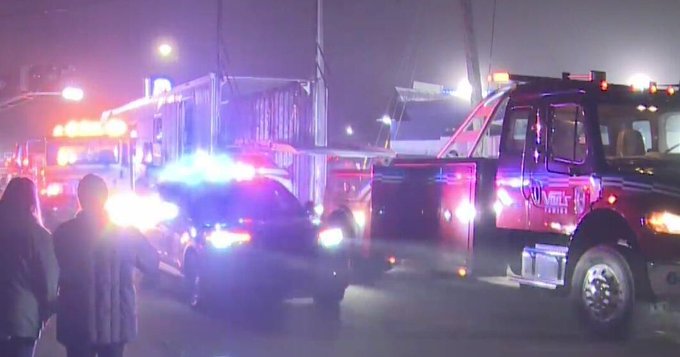
In the hours following the final whistle, large-scale violence erupted in several French cities, particularly in Paris and other major urban areas.
According to authorities, the unrest included:
- Several hundred arrests
- More than 200 reported injuries, including many police officers
- Multiple attacks on law enforcement
- Burning vehicles
- Widespread vandalism and property damage
- Large-scale public disturbances that lasted well into the night
Scenes of rioting, fires, and clashes with police dominated international news coverage — often overshadowing PSG's historic achievement on the pitch.
While the vast majority of supporters celebrated peacefully, French authorities described the incidents as serious and responded with a large-scale police operation.
Official Reactions
French officials congratulated Paris Saint-Germain on its victory while strongly condemning the violence.
They emphasized that the actions of a minority should not define the behavior of the many fans who celebrated without incident and pledged a thorough investigation into attacks on police officers, looting, and other criminal acts.
A Recurring Problem
This was not an isolated incident.
France has repeatedly experienced similar outbreaks of violence and destruction following major football successes in recent years. Whether after domestic league titles, cup wins, or European triumphs, authorities have repeatedly struggled to contain disorder in city centers after emotionally charged matches.
The pattern raises serious questions about crowd management, public safety planning, and the ability of authorities to prevent violence during major public celebrations.
Important Lessons For The 2026 FIFA World Cup
The events in France are highly relevant for the organizers of the 2026 FIFA World Cup in the United States, Canada, and Mexico.
With millions of international visitors expected across 16 host cities, security forces are preparing for one of the most complex sporting events in history.
Incidents like this weekend's unrest highlight the real risks involved:
- Large, emotional crowds gathering late at night
- The potential for rapid escalation into violence and vandalism
- The difficulty of separating peaceful fans from those seeking confrontation or criminal opportunity
- The challenge of maintaining public order in city centers and fan zones
In response, authorities are implementing extensive security measures, including:
- Heavy police deployments
- Advanced surveillance systems
- Intelligence operations
- Strict fan zone controls
- Coordinated rapid response teams
The goal is not to prevent celebration, but to ensure that a small minority cannot endanger public safety or disrupt the event for everyone else.
The Difficult Balance
Major sporting events are meant to be moments of joy and unity.
Yet they also carry inherent risks.
When hundreds of thousands of people gather in public spaces — often under the influence of alcohol and strong emotions — even a small number of determined troublemakers can cause significant damage.
France's experience this weekend serves as a stark reminder that strong security planning for mega-events is not an overreaction. It is a necessary measure to protect both public safety and the integrity of the celebration itself.
Looking Ahead
PSG's Champions League victory will remain a historic milestone for the club.
Unfortunately, it will also be remembered for the violence and destruction that followed in the streets of France.
As preparations for the 2026 FIFA World Cup intensify, security planners in North America have received another clear example of how quickly euphoria can turn into disorder — and why thorough preparation, coordination, and rapid response capabilities are essential long before the tournament begins.
Major sporting events have the power to unite communities and create unforgettable memories.
Ensuring those moments remain safe may prove just as important as the events themselves.































Comments (0)
No comments yet. Share the first perspective.
Sign in with a listener account to add a comment.