

Across several parts of Metro Detroit, residents say a familiar summer problem is beginning to return once again.
Late at night, the sounds of:
- revving engines,
- screeching tires,
- burnouts,
-
and crowds gathering near intersections
have become increasingly common in some neighborhoods and industrial areas throughout the city.
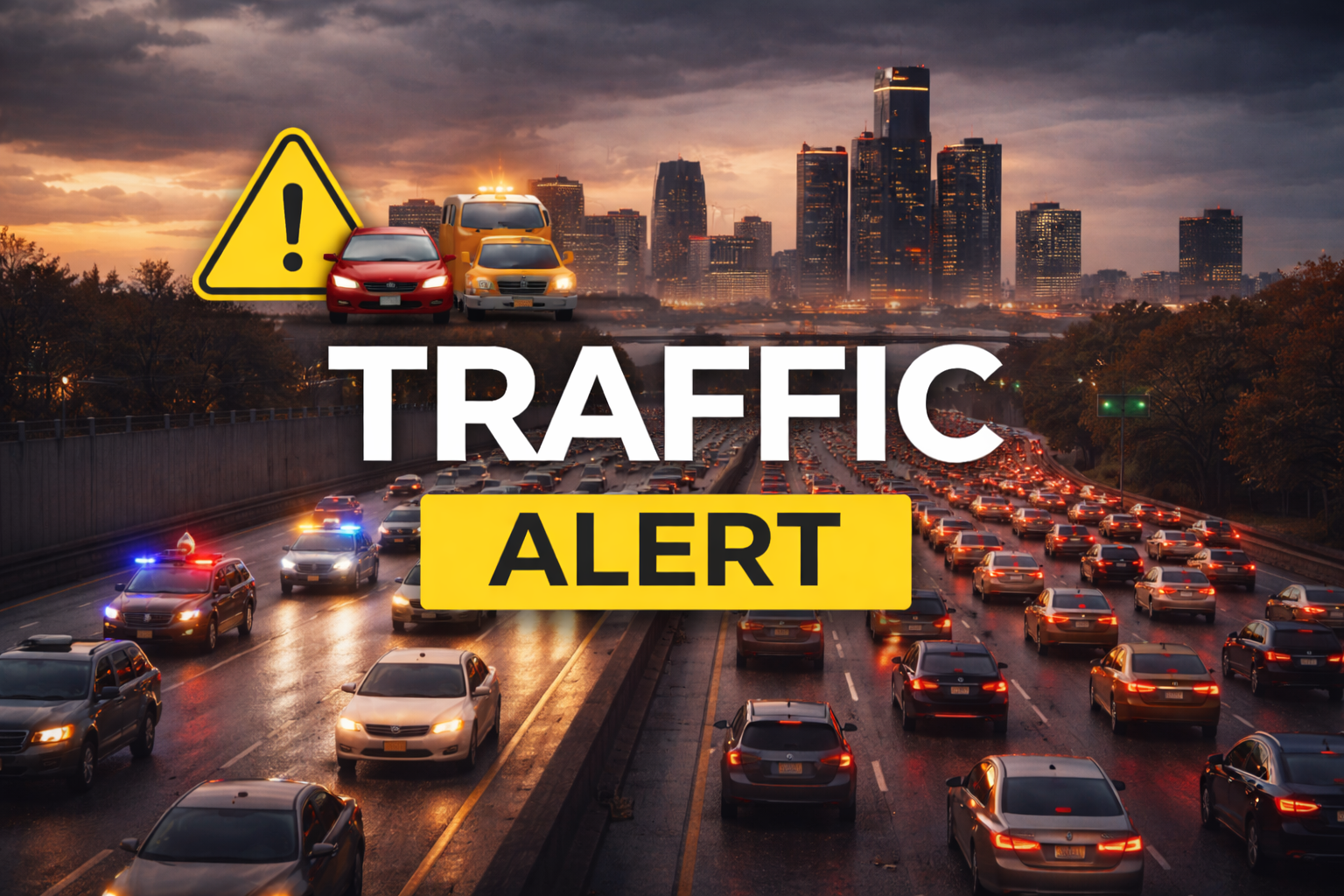
Videos circulating online in recent weeks show groups of drivers performing dangerous stunts on public roads while crowds gather only feet away from moving vehicles. In several clips, intersections appear temporarily blocked by spectators as cars drift through traffic circles and smoke fills the streets.
For many residents, the activity has become more than simply loud or disruptive.
Some now openly worry about safety.
One resident in Southwest Detroit recently described the atmosphere as:
“There are nights where you hear engines racing for blocks and immediately know another takeover is happening somewhere nearby.”
Others say they fear someone could eventually be seriously injured if the gatherings continue growing in size.
Police Say The Situation Is Becoming More Organized
The Detroit Police Department says enforcement efforts are now increasing across multiple parts of the city.
Police officials argue illegal racing activity has changed significantly over the past several years, largely because of social media.
In the past, many gatherings were relatively small and localized. Today, authorities say locations can spread online within minutes, allowing hundreds of spectators and drivers to suddenly appear at intersections, industrial roads, or freeway access points late at night.
Officials say participants frequently communicate through:
- social media platforms,
- encrypted messaging groups,
- and temporary online posts that disappear shortly after locations are shared.
Because gatherings move quickly between locations, police say enforcement has become increasingly difficult.
One law enforcement official recently stated:
“These are no longer isolated incidents involving a handful of vehicles. Some gatherings now grow extremely fast and create dangerous conditions for everyone nearby.”
Detroit Police say the city is responding with:
- increased patrols,
- targeted traffic enforcement,
- drone monitoring,
- and coordinated operations with surrounding agencies.
Several recent crackdowns have reportedly already led to:
- arrests,
- vehicle impoundments,
- and reckless driving citations.
Detroit’s Car Culture Complicates The Debate
The issue remains especially sensitive in Detroit because the city’s identity has always been closely connected to automobiles.
For generations, Detroit has been known worldwide as:
- the center of the American auto industry,
- home of muscle car culture,
- and a city deeply tied to automotive pride.
Many residents who support legal car culture say it is important not to confuse responsible enthusiasts with illegal street racing groups.
Several local car enthusiasts argue that most organized car meets are peaceful gatherings focused on:
- vehicle restoration,
- customization,
- engineering,
- and appreciation for Detroit’s automotive history.
One local enthusiast explained:
“Detroit lives and breathes cars. That’s part of the city’s identity. But most real enthusiasts don’t support reckless racing on public streets.”
Some community members worry increasing police crackdowns could unintentionally target legitimate automotive gatherings alongside illegal activity.
At the same time, many residents argue dangerous street takeovers have clearly crossed a line beyond traditional car culture.
Residents Increasingly Concerned About Public Safety
While some people dismiss the gatherings as harmless entertainment, many Detroit residents say the situation has become increasingly dangerous.
Videos posted online often show spectators standing directly beside spinning vehicles while intersections remain partially blocked to normal traffic.
Residents say the biggest concern is not noise — but the growing risk of:
- crashes,
- injuries,
- pedestrians being struck,
- and emergency vehicles being delayed.
Several recent incidents connected to reckless driving have intensified those concerns.
One Downtown Detroit resident recently commented:
“The crowds are getting larger, the stunts are getting more aggressive, and eventually somebody is going to get killed if things continue escalating.”
Others say they worry younger drivers may increasingly view dangerous behavior as a form of entertainment because of the attention these videos receive online.
Social Media Is Fueling The Trend
Authorities and analysts both say social media has dramatically amplified the problem.
Short clips featuring:
- drifting,
- burnouts,
- police encounters,
-
and high-speed racing
often receive hundreds of thousands — sometimes millions — of views online.
Officials believe that attention encourages copycat activity and motivates some participants to take greater risks for online popularity.
Several videos from Metro Detroit have recently spread widely across:
- TikTok,
- Instagram,
- YouTube,
- and X.
One Wayne County official recently stated:
“What starts as a local gathering can suddenly become a regional event because of how quickly videos and locations spread online.”
Some residents say the culture surrounding viral content may now be making enforcement even harder than before.
Calls Growing For Legal Alternatives
Not everyone believes enforcement alone will solve the problem.
Some community leaders and automotive groups argue Detroit should consider investing more heavily into:
- legal racing environments,
- sanctioned automotive events,
- and youth-oriented car programs.
Supporters of those ideas argue many younger drivers are passionate about cars but lack safe and legal spaces where they can participate in automotive culture responsibly.
Several community organizations have suggested:
- expanding raceway access,
- creating supervised drift events,
- or supporting organized automotive festivals that separate legal car culture from reckless street activity.
One local business owner near Downtown Detroit recently said:
“Detroit’s relationship with cars will never disappear. The real challenge is finding a way to keep that culture alive without turning public roads into racetracks.”
Detroit Facing A Larger Identity Question
For many residents, the debate surrounding street racing is ultimately becoming part of a larger conversation about Detroit itself.
The city’s automotive heritage remains one of its strongest cultural identities, but officials say modern concerns surrounding:
- public safety,
- social media influence,
- reckless driving,
-
and urban policing
are creating new challenges that previous generations did not face in the same way.
Police officials say enforcement operations are expected to continue throughout the summer as crowds grow larger and warmer weather brings more nighttime activity onto Detroit streets.
At the same time, community leaders continue debating whether long-term solutions may require more than simply arrests and crackdowns.
For now, Detroit once again finds itself balancing two realities:
- a city proud of its automotive culture,
- and a growing demand from residents who want safer streets and stronger public order.
And as summer approaches, that tension is becoming increasingly visible across Metro Detroit.





















Comments (0)
No comments yet. Share the first perspective.
Sign in with a listener account to add a comment.